
True Freedom
The content discusses the distinction between freedom and license through the lens of Catholic faith, emphasizing that true freedom involves moral responsibility and serving others, rather than pursuing self-indulgent desires.

The content discusses the distinction between freedom and license through the lens of Catholic faith, emphasizing that true freedom involves moral responsibility and serving others, rather than pursuing self-indulgent desires.

The author reflects on the significance of physical presence in family gatherings, particularly within his wife’s large extended family. He likens these gatherings to the communal aspect of the Church, emphasizing the importance of togetherness.
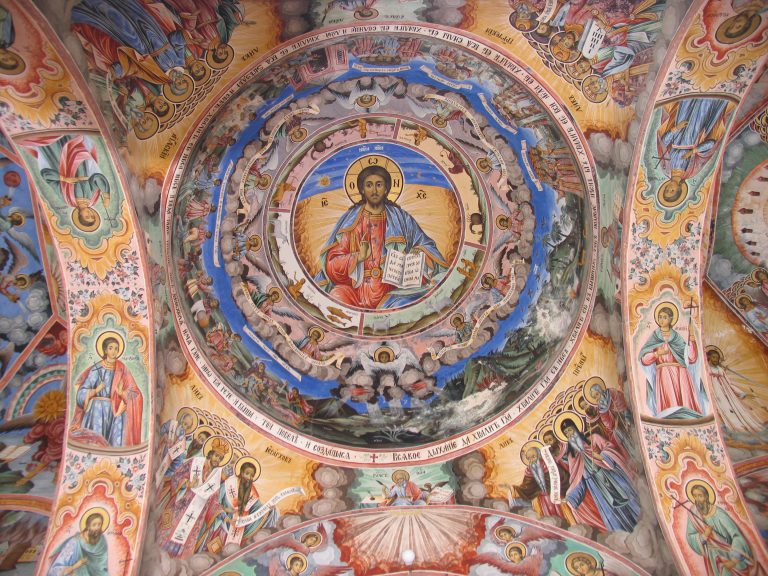
The post discusses the concept of holiness as urged by God and exemplified by Pope John Paul II, emphasizing that purity of heart aligned with actions embodies holiness, which requires personal effort and God’s grace.
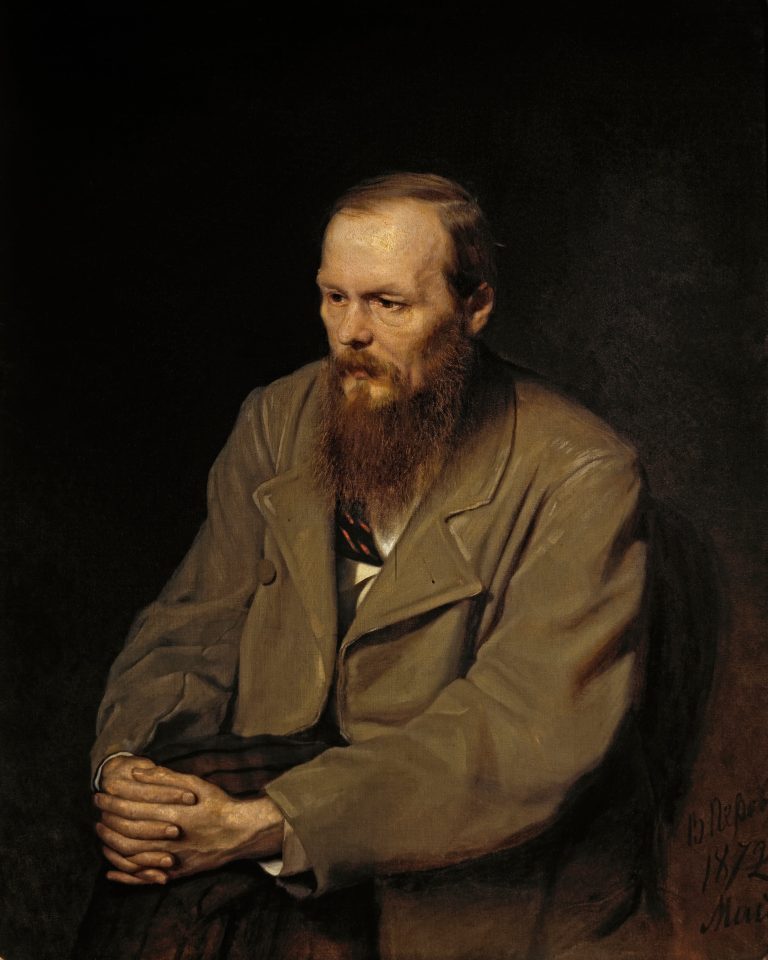
Fyodor Dostoevsky, celebrated for emphasizing beauty’s role in spirituality, influenced Pope John Paul II, who promoted beauty as a means of hope against oppression, contributing to the fall of Communism in Eastern Europe.
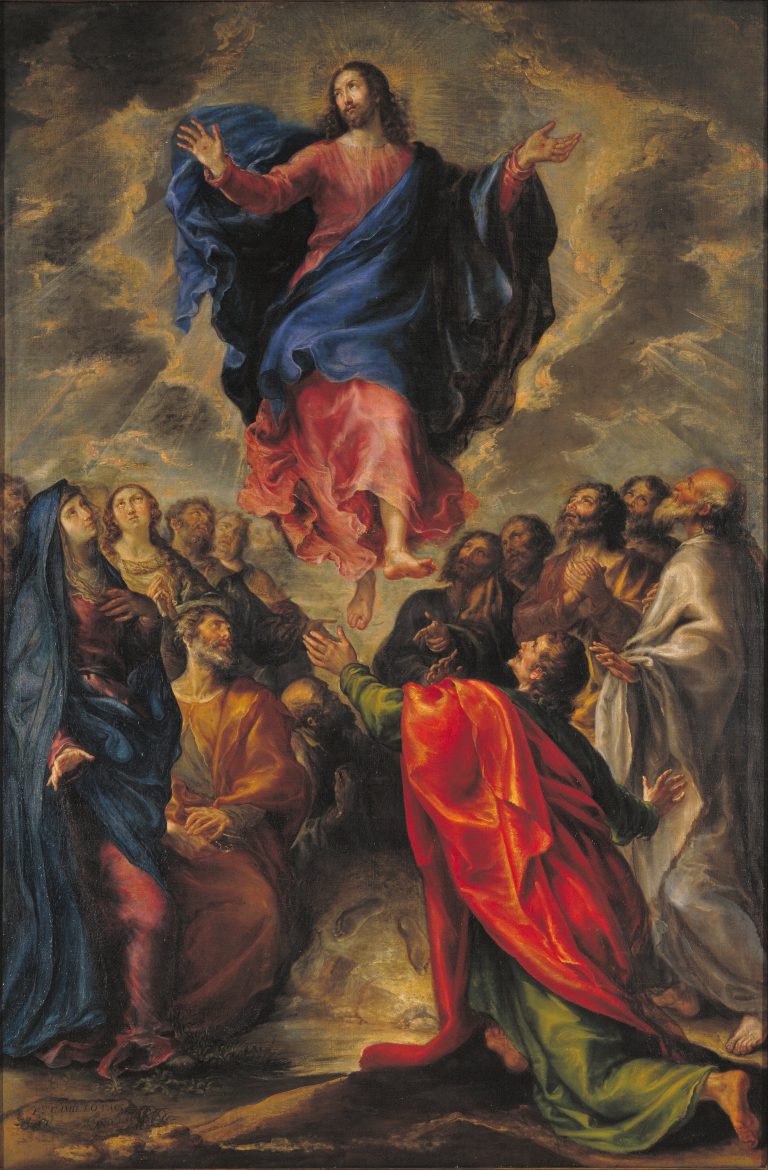
The Ascension provides Christians a final chance to reflect on Easter’s joy and the promise of bodily resurrection, emphasizing that believers will exist eternally with Jesus, body and soul, as indicated by His own resurrection.

The discussion humorously explores the concept of a “bishop of the moon,” originating from Archbishop William Borders, highlighting that jurisdiction is irrelevant without inhabitants. It emphasizes the Church’s purpose is love and connection among believers.
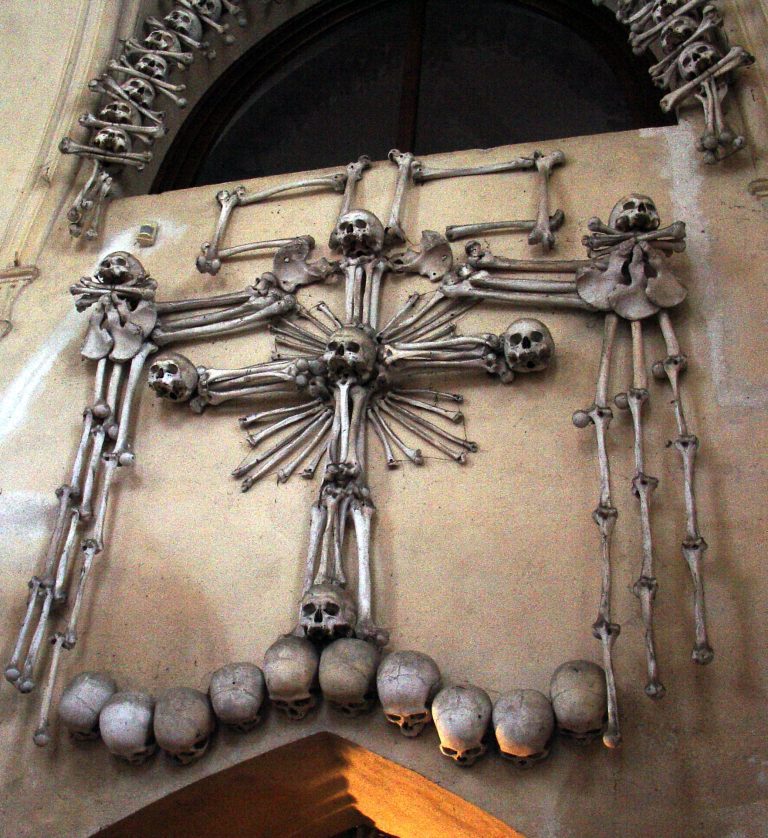
The Church has long venerated relics, reflecting deep reverence for holy figures. Relics serve to connect believers with the lives of saints, fostering hope in eternal life and inspiring holiness among the faithful.
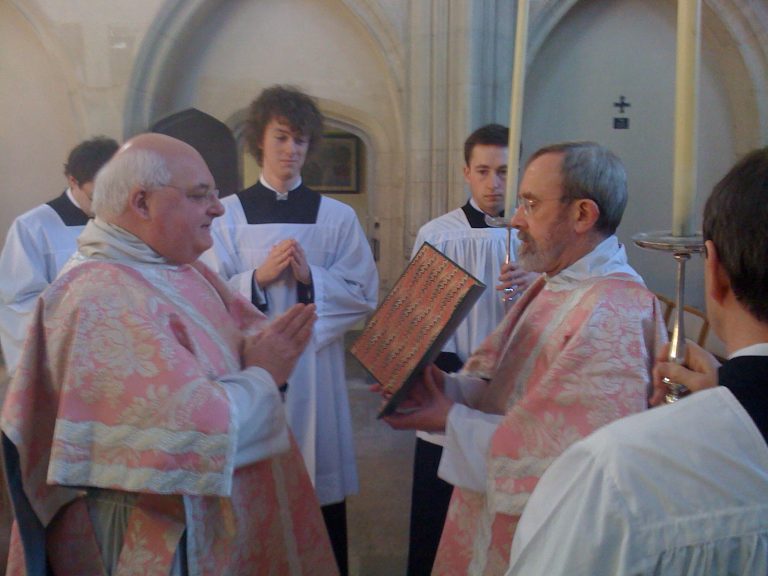
The Church celebrates Laetare Sunday, emphasizing the joy from Lent’s struggles, echoing Pope John Paul II’s teachings that self-mastery during hardships leads to greater love and readiness for Easter joy.
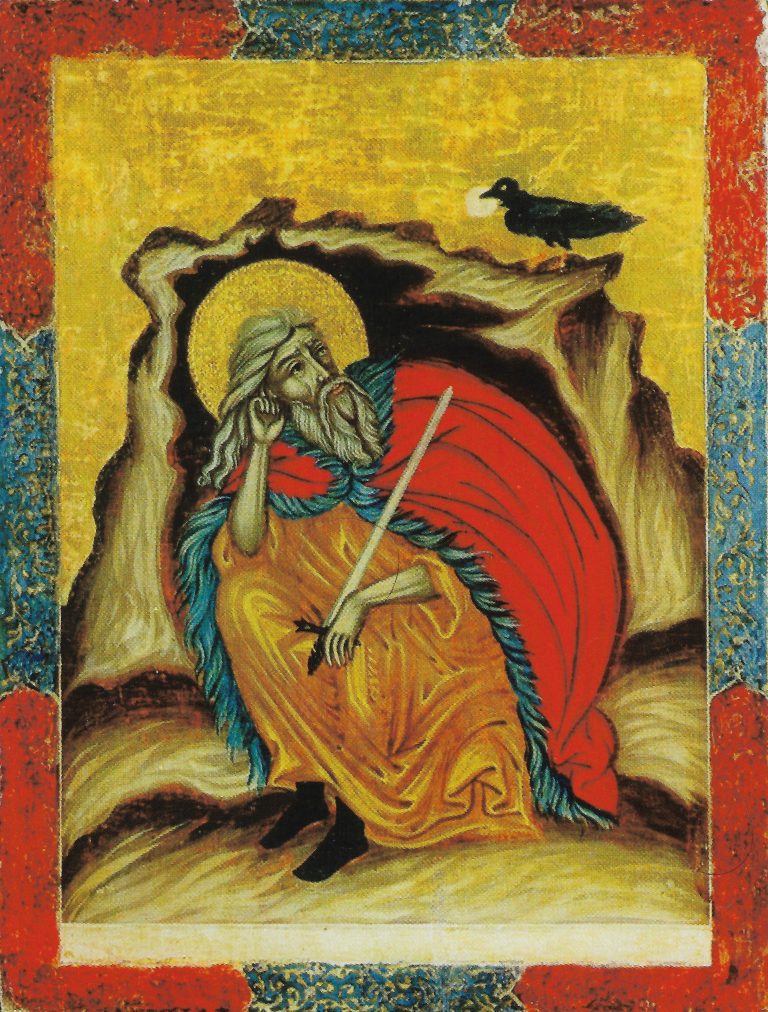
Icons in the Catholic faith serve as powerful sacramentals, illustrating Biblical events and saints to foster prayer and spiritual awareness. They represent the divine and remind believers of their own reflection of God’s image through the body.
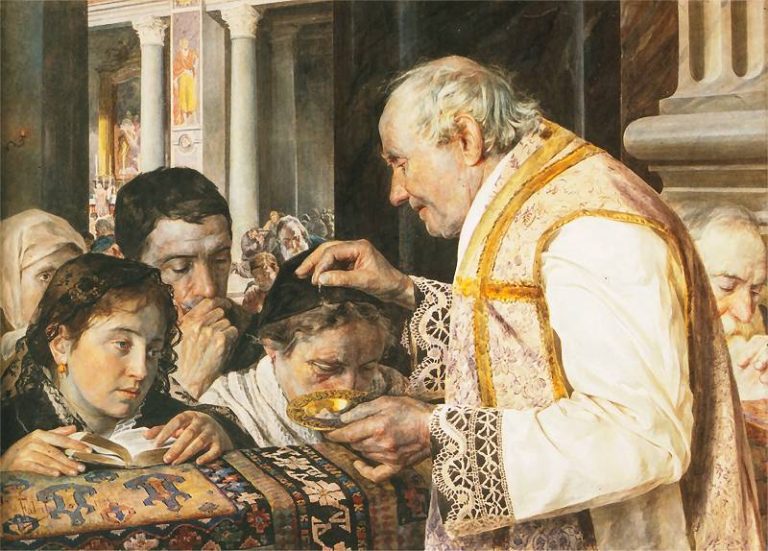
The upcoming Ash Wednesday marks the start of Lent, emphasizing fasting as a spiritual practice. The Church encourages fasting for self-mastery, allowing individuals to deepen their relationship with God and resist temptation through discipline and love.