Windows Into Heaven
From the Catholic faith’s immense repertoire of devotions, I have a special place in my heart for iconography. I like Icons for their strong visuals, and concrete depiction of events that I may have only ever pictured in my head. They help make distant things seem more concrete. They also have a timeless, almost eternal quality to them, which adds to their appeal. But these images aren’t just pretty paintings, they’re sacramentals. They can help us pray, and even teach us about the importance of the body. So, what exactly are icons?
All photos are either sourced by the author, or from Wikimedia Commons in their public domain section unless otherwise marked. If you have any questions about copyright, please contact 888-855-4791.
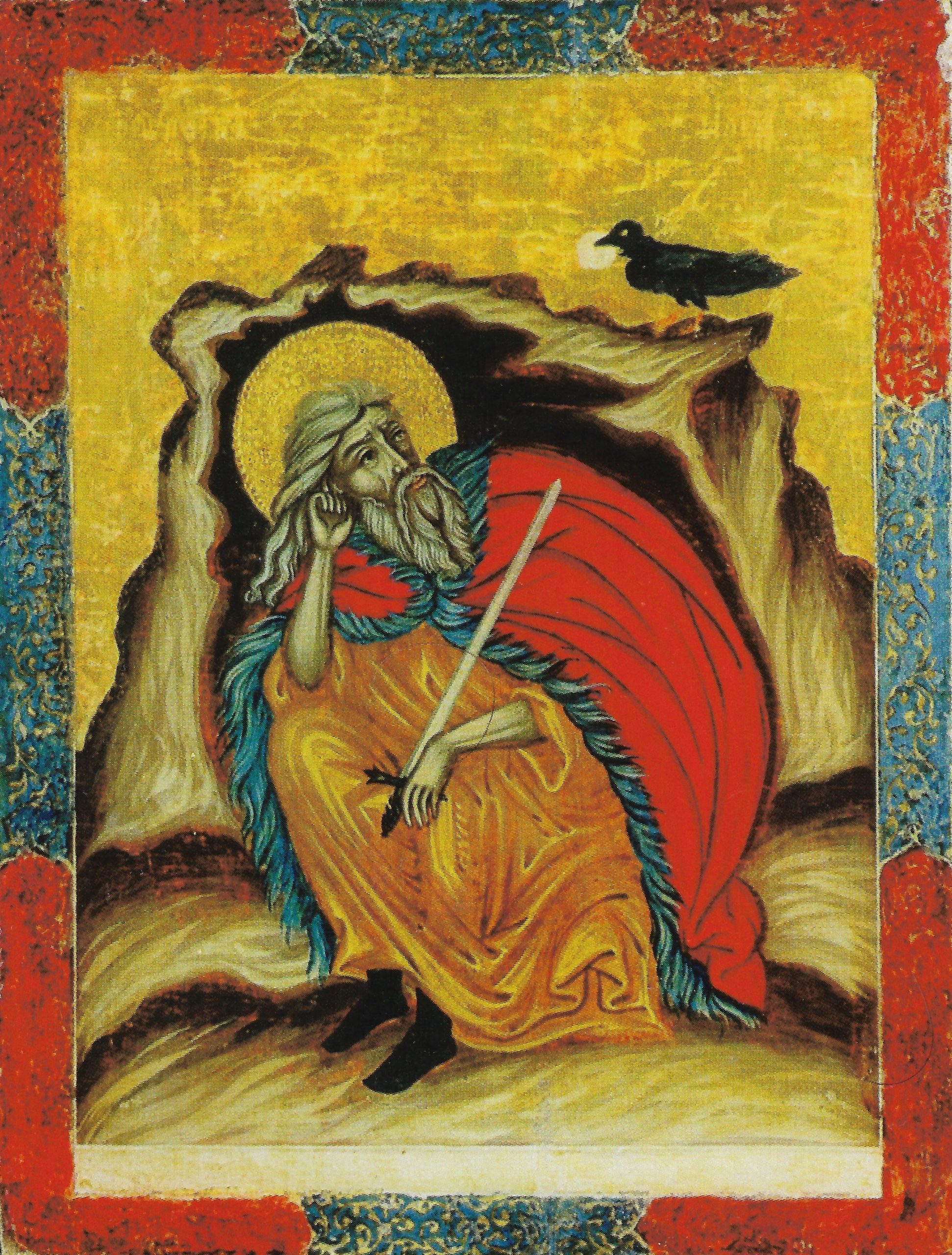
18th Century Lebanese icon of Elijah
Icons are images that depict Biblical events, and the lives of the saints for the purposes of prayer. They come in many shapes and sizes, but people most often recognize the medieval ones, which commonly have gold backgrounds, a lack of clear perspective, and disproportionately sized people. People often refer to icons as “windows into Heaven.” The gold or yellow backgrounds indicate this, representing light and abundance. Likewise, the disproportionate shapes and lack of perspective adds to the otherworldliness of the image. All of this comes together to help raise the mind to higher things and come to a greater awareness of God. Statues serve a similar purpose in helping to focus our mind on a topic of meditation. Like statues, icons draw our bodies into prayer, something many people incorrectly see as a purely mental activity. More than that, icons can help us to understand our bodies.
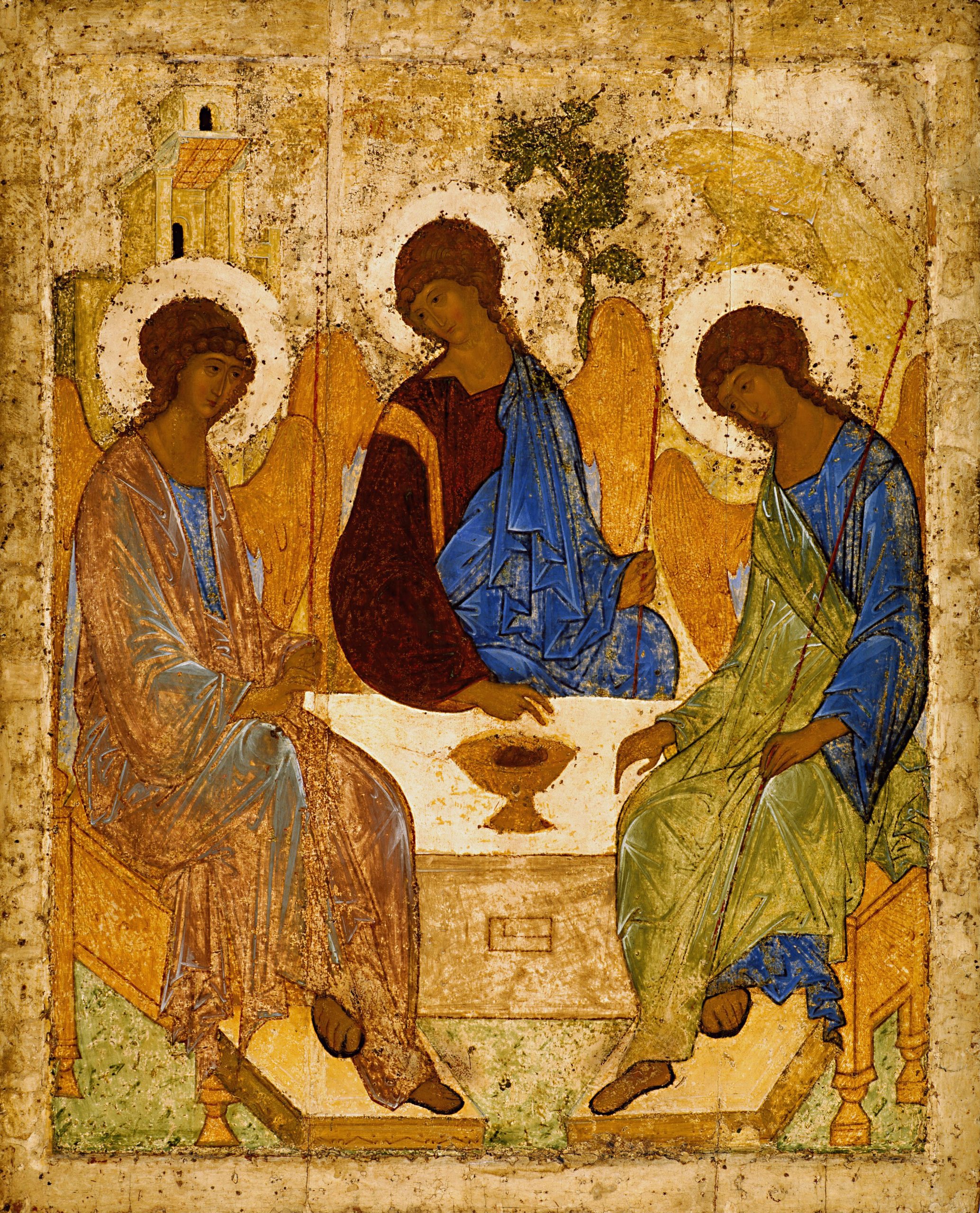
Like icons, our bodies help us to become more aware of the divine. God made us in His own image, making us an icon of His nature. Likewise, when our bodies come together in the sacrament of Marriage, we image the Trinity. God the Father loves God the Son who, in turn, reciprocates this love. The love between the Father and the Son is so strong that it is itself another person: The Holy Spirit. Similarly, a man loves his wife who, in turn, reciprocates this love. The love between them is so strong that it overflows into the creation of a child. In this way, our bodies in marriage are icons of the Blessed Trinity. Our bodies reveal God to the world.
All photos are either sourced by the author, or from Wikimedia Commons in their public domain section unless otherwise marked. If you have any questions about copyright, please contact 888-855-4791.
15th Century Russian Icon of the Holy Trinity
Hopefully next time you see an icon, it will remind you that you are an icon of God. Though the devotion of iconography holds a wider appeal in Eastern Christianity, many Roman Catholics have adopted this devotion. If you want to expand your prayer toolbelt, why not try praying with Icons?
All photos are either sourced by the author, or from Wikimedia Commons in their public domain section unless otherwise marked. If you have any questions about copyright, please contact 888-855-4791
This blog and all content on this website is copyrighted, all rights reserved. © 2026 Theology of the Body Evangelization Team, Inc. (TOBET)

No generative AI was used to create this content.
Did you enjoy this blog? Check out these resources!